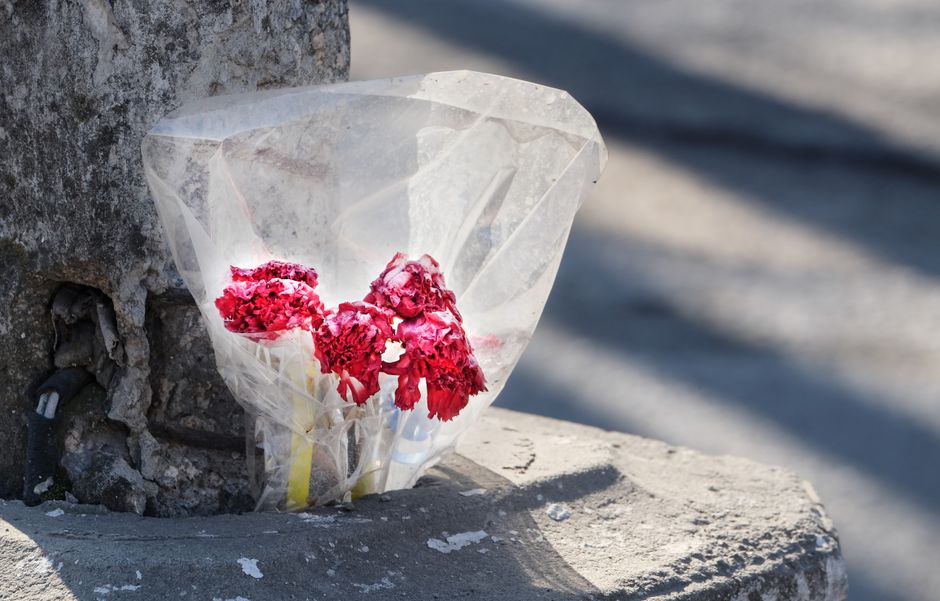
What Hornchurch council fines mean for roadside memorial flowers
Posted on 20/10/2026
If you have ever paused at a roadside memorial in Hornchurch and wondered whether the flowers are allowed to stay there, you are not alone. The question is more delicate than it first appears. What Hornchurch council fines mean for roadside memorial flowers is really about safety, public space, respect, and what happens when a tribute starts to create a problem on the highway or pavement.
For families and friends, the flowers are rarely just flowers. They are a quiet act of love. A ribbon in the wind, a card held down by a stone, a bunch left near a lamppost at dusk. But local councils also have duties around keeping roads clear and managing hazards. That is where fines, removal notices, or enforcement action can come into the picture.
This guide explains the issue in plain English. You will learn what council fines can mean, why they happen, how roadside memorial flowers are usually handled, and how to protect both the tribute and the people using the road. Truth be told, a lot of confusion comes from people assuming every memorial is treated the same. It isn't. Context matters, location matters, and so does safety.
If you are looking for a thoughtful way to send flowers for a remembrance, sympathy, or funeral tribute without adding avoidable risk, the practical advice below should help.
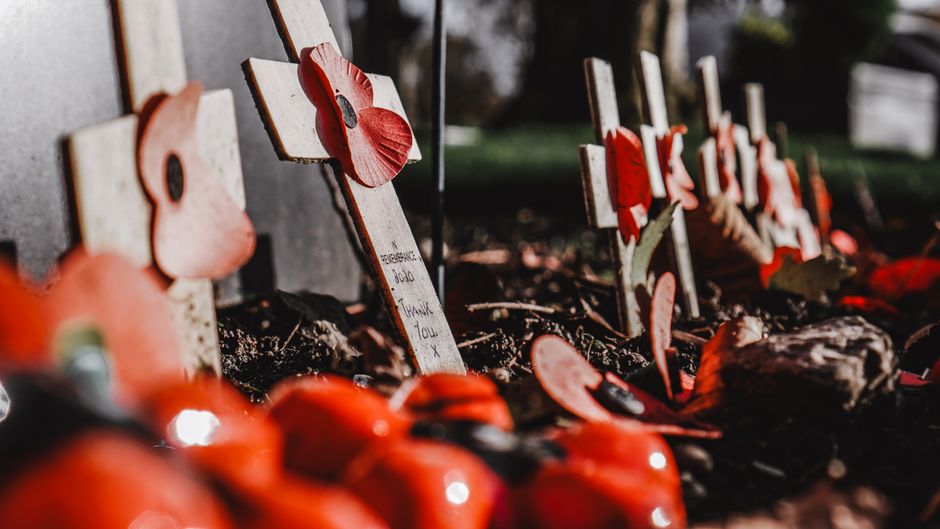
Table of Contents
- Why this matters
- How council fines and roadside memorial flowers work
- Key benefits and practical advantages
- Who this is for and when it makes sense
- Step-by-step guidance
- Expert tips for better results
- Common mistakes to avoid
- Tools, resources and recommendations
- Law, compliance, standards, or best practice
- Options, methods, or comparison table
- Case study or real-world example
- Practical checklist
- Conclusion
- Frequently asked questions
Why What Hornchurch council fines mean for roadside memorial flowers Matters
A roadside memorial can be deeply moving. Yet a flower tribute placed at the edge of a busy route can also create a hazard if it blocks sightlines, drifts into the carriageway, or distracts drivers at the wrong moment. That is why the council's response is not just about tidying up. It is about balancing compassion with public safety.
Hornchurch sits within a busy part of East London where roads, pavements, crossings, and bus routes can be heavily used. A tribute that feels harmless in the early evening can become a problem by morning if wind, rain, traffic spray, or passing feet have shifted items into the wrong place. You notice it most after a wet night: flowers sag, cellophane loosens, cards get soggy, and one bunch can start looking messy very quickly.
The meaning of a fine, in practical terms, is often this: the council may consider the placement of the memorial to be obstructive, unsafe, or inconsistent with rules that govern the highway. Not every situation leads to a fine. Sometimes the first step is a request to move items, a warning, or the removal of the tribute if it becomes unsafe. But if there is repeated non-compliance, or if the item creates an immediate risk, enforcement can follow.
That matters because people often assume a memorial flower tribute is automatically protected by sentiment alone. Sadly, public land does not work that way. The council has to think about pedestrians, cyclists, road users, emergency access, and maintenance crews too. It sounds harsh, I know. But that is the reality of managing shared space.
Key point: a council fine usually signals a concern about location or impact, not a judgement on the feeling behind the tribute. That distinction is important, especially when emotions are high.
For families arranging remembrance flowers elsewhere in the area, choosing a trusted local florist can help you express care in a way that feels respectful and practical. Many people prefer to send flowers to a home, church, funeral venue, or family address instead of leaving them roadside. If that is the route you want, a local option like a Hornchurch-area florist can make the process simpler.
How What Hornchurch council fines mean for roadside memorial flowers Works
In most cases, the process starts with a concern rather than a penalty. Someone reports the memorial, a road inspector notices it, or maintenance crews identify an issue while carrying out work. The council then looks at a few things: where the flowers are placed, whether they are on private or public land, whether they are affecting visibility or access, and whether they present a safety hazard.
Here is the broad pattern you are likely to see:
- Observation or report. The memorial is noticed by the council or reported by a member of the public.
- Assessment. Someone checks whether the flowers are creating an obstruction or risk.
- Informal action or notice. The council may ask for the memorial to be moved, reduced, or removed.
- Removal by the council if needed. If the memorial is unsafe or left in a prohibited position, it may be taken away.
- Enforcement or fine in serious or repeated cases. This is more likely where there is refusal to comply or a recurring issue.
That is the general flow, although the exact process depends on the circumstances. Let's face it, roadside memorials are one of those topics where no two situations look exactly the same. A small bouquet tucked away from traffic is very different from a large tribute spread across a verge beside a junction.
It also helps to understand that "fines" can mean different things in practice. Sometimes people use the word loosely to describe a formal penalty, but the council may instead issue a notice, charge for removal, or take action under highway or environmental rules. If you are ever unsure, assume the safest approach is to move or relocate the flowers rather than risk making a problem worse.
For people who want to keep the tribute meaningful without relying on roadside placement, a sympathy bouquet or funeral arrangement can be sent directly to the family. A gentle arrangement such as funeral flowers in South Hornchurch RM13 often does more to support the bereaved than a roadside gesture that may later be removed.
Why councils take a cautious approach
Three concerns usually sit behind the caution:
- Visibility: flowers near junctions or bends can distract drivers or block sight lines.
- Access: memorials can interfere with pavements, mowing, cleaning, drainage, or inspections.
- Durability: roadside tributes often become litter when tied, blown, or weathered apart.
That does not mean councils lack compassion. It means their job is to protect the public realm, and sometimes that requires unpopular decisions. The best response is usually not confrontation. It is adjustment. A safer location. A smaller tribute. Or a memorial placed somewhere the family controls.
Key Benefits and Practical Advantages
It may seem odd to talk about benefits in a sensitive topic, but there are some clear practical advantages to understanding how these fines work. In fact, getting clear on the rules can save families a lot of stress later on.
- It prevents distressing removals. If you know what is allowed, you are less likely to wake up to a memorial being taken away.
- It helps preserve the tribute. Flowers placed in a suitable location are more likely to remain intact and cared for.
- It avoids unnecessary cost. A fine or removal charge can be an upsetting surprise at a time when people are already under strain.
- It supports safer remembrance. A thoughtful placement reduces risk to drivers, pedestrians, and children.
- It gives families more control. When the tribute is sent to a home or venue, the people receiving it can decide how and where to display it.
There is another benefit that is easy to miss: better communication within the family. When one relative assumes roadside placement is fine and another worries it may breach council rules, tension can build quickly. Knowing the practical reality helps everyone make the same decision calmly. That alone can be worth a lot.
If you want a tribute that still feels personal and local, options like same-day flower delivery in South Hornchurch RM13 can be useful when timing matters, especially after a sudden loss or a last-minute memorial decision.
Who This Is For and When It Makes Sense
This topic is most relevant to people who are planning, maintaining, or responding to a roadside memorial in or around Hornchurch. That includes families, friends, neighbours, funeral organisers, and sometimes local residents who simply want to understand what they are seeing at the side of the road.
It also matters if you are choosing flowers for remembrance and want to avoid an awkward situation. To be fair, many people do not think about enforcement until after the flowers are already in place. By then, they may feel emotionally invested and reluctant to move them. That is understandable. Still, a little planning goes a long way.
This is especially sensible when:
- the memorial is near a junction, bend, crossing, or bus stop
- the flowers are larger than a single bouquet
- items are attached to lamp posts, railings, or road signs
- you expect the tribute to stay up for more than a day or two
- you are unsure whether the spot is public highway or private land
It also makes sense when you need flowers that carry a memorial message without requiring roadside placement. For example, if the family wants a quiet home tribute or a service arrangement, something from the sympathy flowers collection may be more appropriate than leaving flowers at the scene.
And if the tribute is intended for a funeral, not a roadside memorial, you may want to look at carefully styled arrangements such as tributes or wreaths, which are designed for remembrance settings and usually feel more considered.
Step-by-Step Guidance
If you want to avoid problems with roadside memorial flowers, the safest approach is to work through a few simple questions before anything is left at the site. It is not glamorous. But it works.
1. Check the exact location
Ask yourself whether the memorial point is actually safe and appropriate. Is it on a verge, pavement edge, or junction corner? Could it affect visibility or traffic movement? If the answer is "maybe", that is a warning sign already.
2. Keep the tribute small and stable
Smaller arrangements are easier to manage and less likely to cause obstruction. A compact bouquet, weighted vase, or secure memorial posy is generally less risky than loose stems or oversized displays. In windy weather, even a neat bunch can become a mess within hours. You know the sort of thing - ribbon flapping, petals scattered, the whole lot leaning at an odd angle.
3. Avoid attaching items to public fixtures
Lamp posts, signs, guardrails, and traffic furniture are often where trouble starts. Even if the intention is gentle, tying items to public infrastructure can trigger removal. The council may see it as unauthorised use of highway furniture.
4. Choose a safer alternative if needed
If the roadside position is questionable, shift the tribute to a home, workplace, church, memorial garden, or venue. That keeps the sentiment intact while avoiding conflict. A florist can help with arrangements that are suitable for collection or delivery, which is far easier than trying to make a busy road feel private.
5. Speak before placing if the family is unsure
If the memorial is being organised by several relatives or neighbours, agree the plan first. It avoids misunderstandings and last-minute disputes. One person's "lovely idea" can become another person's problem very quickly, and nobody needs that during a difficult time.
6. Be prepared to move it if asked
If the council asks for the flowers to be removed, respond calmly. The point is not to erase the memory; it is to reduce risk. A moved tribute is still a tribute. Sometimes a better spot nearby, or a home display, is the best compromise.
Expert Tips for Better Results
A few small choices make a big difference here. These are the things that tend to separate a tribute that lasts from one that becomes stressful.
- Use fresh, compact stems. Loose or tall flowers are more likely to topple or scatter.
- Choose resilient blooms. Carnations, chrysanthemums, lilies, and mixed seasonal arrangements often hold up better than very delicate flowers in exposed locations.
- Keep wording simple. Short cards or tags are easier to secure and less likely to blow away.
- Think about weather. Rain, frost, and wind all affect roadside displays. A calm morning can turn wet and windy by lunch.
- Use a vase or container only if it is secure. Glass can be risky in public areas if knocked over.
- Consider delivery to the family home. It often feels more personal and avoids enforcement concerns entirely.
There is also a soft practical tip that people sometimes miss: photograph the tribute if you are worried about it being moved. That does not prevent removal, of course, but it preserves the memory in the form you created it. A simple photo on a phone can become surprisingly meaningful later.
If you need a memorial arrangement that already feels respectful and suited to remembrance, a specialist item like funeral flowers or a gentle choice from the sympathy flowers range can be a better fit than a roadside cluster of mixed bouquets.
Common Mistakes to Avoid
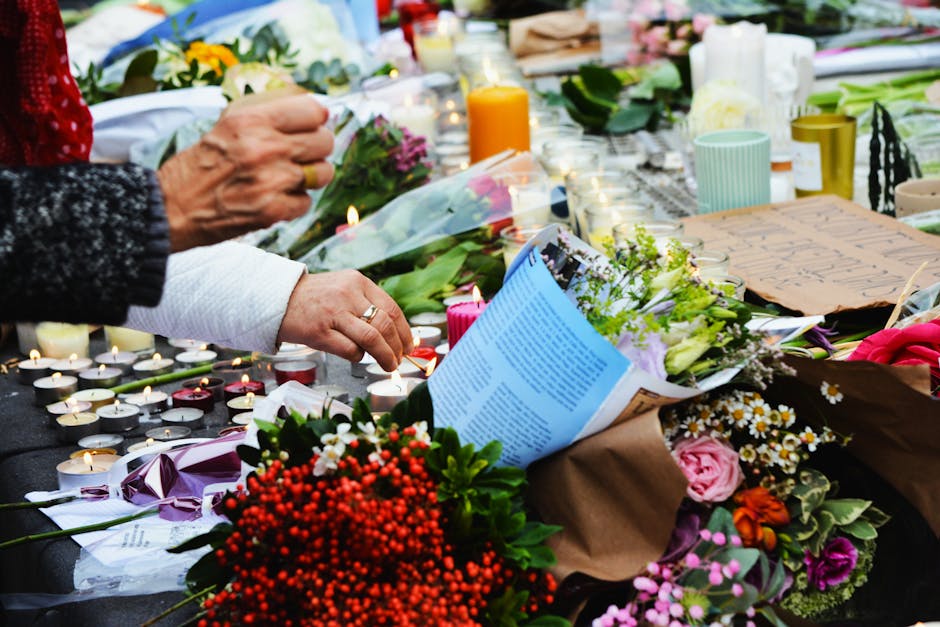
Most problems with roadside memorial flowers come from a handful of avoidable mistakes. None of them are dramatic on their own, but together they can create trouble.
- Placing flowers too close to traffic. Even a few centimetres can matter if vehicles pass close by.
- Using fragile decorations. Balloons, loose cards, and small plastic ornaments often end up littering the area.
- Assuming the memorial can stay indefinitely. Public land is usually subject to maintenance and enforcement.
- Ignoring repeated warnings. If the council has already raised a concern, leaving more items can increase the risk of a fine or removal.
- Overcomplicating the tribute. More is not always more. Sometimes a single, well-placed bouquet says everything.
One of the most common misunderstandings is that "if it is respectful, it must be allowed." Sadly, that is not how public-space rules work. Respect is part of the picture, but safety and access are still the deciding factors.
Another small but important mistake is leaving flowers that are clearly designed for indoor display in a windy roadside spot. Those pretty paper wraps and light ribbons look lovely in a living room. On a verge near a roundabout? Not so much. They can unravel fast.
Tools, Resources and Recommendations
You do not need complicated tools to handle this well. What you need is a sensible plan and a few reliable options.
- A secure container or vase: only if it can be positioned safely and is not likely to tip.
- A simple memorial card: short, durable, and easy to fasten.
- A family agreement: who is responsible for placing, checking, or removing the tribute.
- A local florist: helpful if you want flowers sent somewhere safer and more controlled.
- A backup location: a home, church, or private garden can often work better than the roadside.
If you are arranging something near South Hornchurch or the wider RM13 area, the convenience of a local service can make a real difference. You can browse options such as flower delivery in South Hornchurch RM13, or if you are looking for a more general browse, flower shops in South Hornchurch RM13 can help you compare styles and choose what feels right.
For people trying to keep costs manageable, it can also help to look at affordable flower options. Budget does not have to mean careless. A modest arrangement can still feel sincere and beautiful.
Law, Compliance, Standards, or Best Practice
This is the part where people often want a neat yes-or-no answer, and unfortunately the real world is a bit messier. There is no single universal rule that covers every roadside memorial in every circumstance. The legal and enforcement position may depend on where the flowers are placed, whether the site is public highway, whether it interferes with access or visibility, and what local procedures apply.
So what should you rely on? Best practice. That means placing tributes in a way that does not endanger road users, obstruct maintenance, or create litter. It also means accepting that public spaces are managed spaces. If the memorial is on public land, the council may remove it even if it is heartfelt and well meant.
Some practical best-practice principles are straightforward:
- keep tributes compact and low-risk
- avoid blocking sightlines at junctions or crossings
- do not tie items to street furniture unless clearly permitted
- respect any request to relocate or remove items
- use private or family-controlled locations where possible
If you are acting on behalf of a family after a sudden loss, it is worth taking a cautious line. A respectful flower delivery to a home or service is usually easier to manage than a roadside tribute subject to removal. In many cases, that is the cleaner, calmer choice.
Options, Methods, or Comparison Table
When deciding how to handle remembrance flowers, it helps to compare the main options side by side. Different situations call for different approaches, and there is no shame in choosing the simplest one.
| Option | What it means | Pros | Risks or limits |
|---|---|---|---|
| Roadside memorial flowers | Flowers left at or near the incident location | Immediate, visible, emotionally direct | Can be removed, may trigger fines, may create safety issues |
| Home delivery tribute | Flowers delivered to a family home or chosen address | Private, controlled, safer, more lasting | Less connected to the exact location of remembrance |
| Funeral or service flowers | Tributes arranged for a funeral, wake, or memorial service | Highly appropriate, carefully styled, easy to manage | Needs planning around timing and venue |
| Personal memorial arrangement | Small bouquet or posy kept by the family | Flexible and intimate | Not public-facing, so less visible to others |
In practice, many families find the second or third option much easier once the initial shock has passed. A road-side tribute may feel right in the first hours or day. After that, a more stable arrangement often makes more sense. That is not disloyal. It is just realistic.
Case Study or Real-World Example
Here is a realistic example based on the kind of situation families often face.
A local family wanted to leave flowers near the spot where a loved one had died on a Hornchurch road. They brought a large mixed bunch, several cards, and a soft toy. It looked lovely at first. By the next morning, though, the wind had shifted the cards toward the pavement, one ribbon had wrapped around a rail, and the arrangement had begun to spread into the walking space. A passer-by reported it because a pushchair had to steer around the display.
The council contacted the family and asked for the tribute to be moved. No one was trying to be cruel. The issue was simply that the memorial had become awkward at a busy location. The family felt upset, naturally. But after a short pause, they moved the flowers to a private garden and ordered a smaller remembrance bouquet for the home. They later said it felt more peaceful there anyway - no traffic noise, no damp verge, no feeling that the tribute was getting in the way.
That example captures the heart of the issue. The problem was not the love behind the flowers. It was the setting. In real life, the setting changes everything.
Practical Checklist
Use this before placing roadside memorial flowers in or around Hornchurch.
- Have I checked whether the location is public highway or private land?
- Could the flowers block sightlines, pavements, or access?
- Is the arrangement compact and stable enough for wind and rain?
- Have I avoided attaching items to lamp posts, signs, or railings?
- Do I know who will monitor or remove the tribute if needed?
- Would a home or service delivery be safer and more appropriate?
- Have I discussed the plan with close family members?
- Am I prepared to move the flowers if the council asks?
Expert summary: if there is any doubt, choose the safer location. The tribute still means what it means. Flowers do not become less loving because they are delivered to a family home instead of a roadside kerb. If anything, the care you show in making the choice often says even more.
For a thoughtful remembrance option, you may also want to browse sympathy arrangements or a dedicated flowers-in-a-vase design that is easier to place and keep neat.
Conclusion
What Hornchurch council fines mean for roadside memorial flowers is, at its core, a question about balance. Families want to remember someone with care and dignity. Councils have to protect roads, pavements, visibility, and public access. Sometimes those aims sit comfortably together. Sometimes they clash.
The safest path is usually the simplest one: keep roadside tributes small, stable, and out of the way, or choose a private location where the flowers can stay undisturbed. That way the tribute remains respectful without turning into a problem that needs enforcement. It is a small shift, but a meaningful one.
If you are deciding where to send remembrance flowers in South Hornchurch or nearby, a well-chosen arrangement delivered to the right place can feel just as sincere, and often more comforting for the people receiving it.
Get a free quote today and see how much you can save.
Sometimes the kindest choice is the one that keeps everyone safe, steady, and able to breathe a little easier.
Frequently Asked Questions
Can Hornchurch council fine you for roadside memorial flowers?
Potentially, yes, if the flowers are placed in a way that creates an obstruction, hazard, or repeated breach of local rules. In some cases the first response is removal or a notice rather than a fine, but enforcement can follow if the issue continues.
Are roadside memorial flowers always illegal?
No. They are not automatically illegal just because they are flowers. The key questions are whether they are on public land, whether they interfere with access or visibility, and whether they create a safety problem. Location and impact matter a great deal.
How long can roadside memorial flowers stay up?
There is no single simple answer. It depends on the location, the council's view of safety, and whether the tribute is causing a nuisance or obstruction. A memorial that is safe and unobtrusive may stay longer than one that blocks access or deteriorates quickly.
What happens if the council removes the flowers?
Usually the flowers are taken because they are considered unsafe, obstructive, or unsuitable for the location. In some cases they may be stored briefly, but that is not something to assume. If the tribute matters, it is best to photograph it and move it to a safer place quickly.
Can I leave flowers near the place where someone died?
You can sometimes leave a small memorial, but it should be done carefully and only where it does not create a hazard. Near junctions, crossings, or busy roads, the risk is higher. A nearby private location is often a better choice.
What flowers are best for a roadside memorial?
Compact, resilient flowers tend to work better than delicate or sprawling arrangements. Carnations, chrysanthemums, lilies, and small mixed bouquets often hold up better in exposed conditions. A secure container also helps if the location allows it.
Is it better to send sympathy flowers instead of leaving them roadside?
Often, yes. Sending flowers to the family home or to a memorial service can be more appropriate, less stressful, and more likely to last. It also avoids the possibility of removal or enforcement. For many people, that is the calmer option.
Do I need permission to place flowers on public land?
In many cases, yes in practice if you want to avoid problems. Public land is controlled space, and the council may remove items that are not permitted or that create safety concerns. If you are unsure, it is safer to choose a private setting.
What if the tribute is only small and temporary?
A small, temporary tribute is less likely to cause a problem, but it still needs to be placed safely. Temporary does not automatically mean allowed. If it could interfere with traffic or pedestrians, it may still be removed.
How can I make a memorial feel personal without using the roadside?
Home-delivered flowers, a remembrance wreath, a sympathy basket, or a carefully written card can all feel deeply personal. Some families also keep a small bouquet indoors as a private memorial. That can be just as meaningful, honestly, maybe even more so.
Will the council always give a warning before taking flowers away?
Not always. If a memorial creates an immediate safety issue, it may be removed without much notice. In less urgent cases, there may be contact or a request to move it first. It really depends on the circumstance and the risk involved.
What should I do if I disagree with the council's decision?
Stay calm and ask for the reason in writing if possible. Clarify whether the issue is safety, obstruction, or placement on public land. If needed, move the tribute to a safer location rather than escalating the situation. Grief is hard enough without a stand-off on the pavement.